From TEAMCAL AI to ANCI: A Fresh Look for a Bigger Mission
TEAMCAL AI is becoming ANCI. Same team, same product, same trust. A name built for what scheduling looks like in the agent era.

May 30
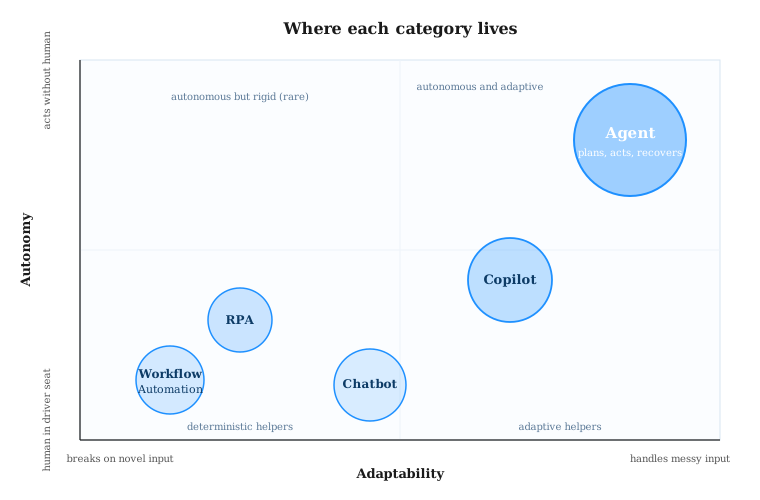
Agent at Work: *The Taxonomy*
Every vendor now claims to ship an agent. The taxonomy that cuts through the noise: chatbot, workflow automation, RPA, copilot, and agent — sorted by six building blocks every automation shares, with the one architectural test that tells them apart.

May 27
Introducing ANCI: The Agent Infrastructure for Scheduling
Today we are introducing ANCI, the agent infrastructure for scheduling. Built on six years of ANCI, ANCI is how we hire scheduling work to named agents instead of buying more software. Meet Zara, Ray, and the rest of the family.
May 23

Why AI Agent Security Is the Defining Risk of Enterprise AI
The conversation has moved from what these systems can do to what happens when they act inside the business. The answer is an architecture problem, not a prompting problem.
May 15
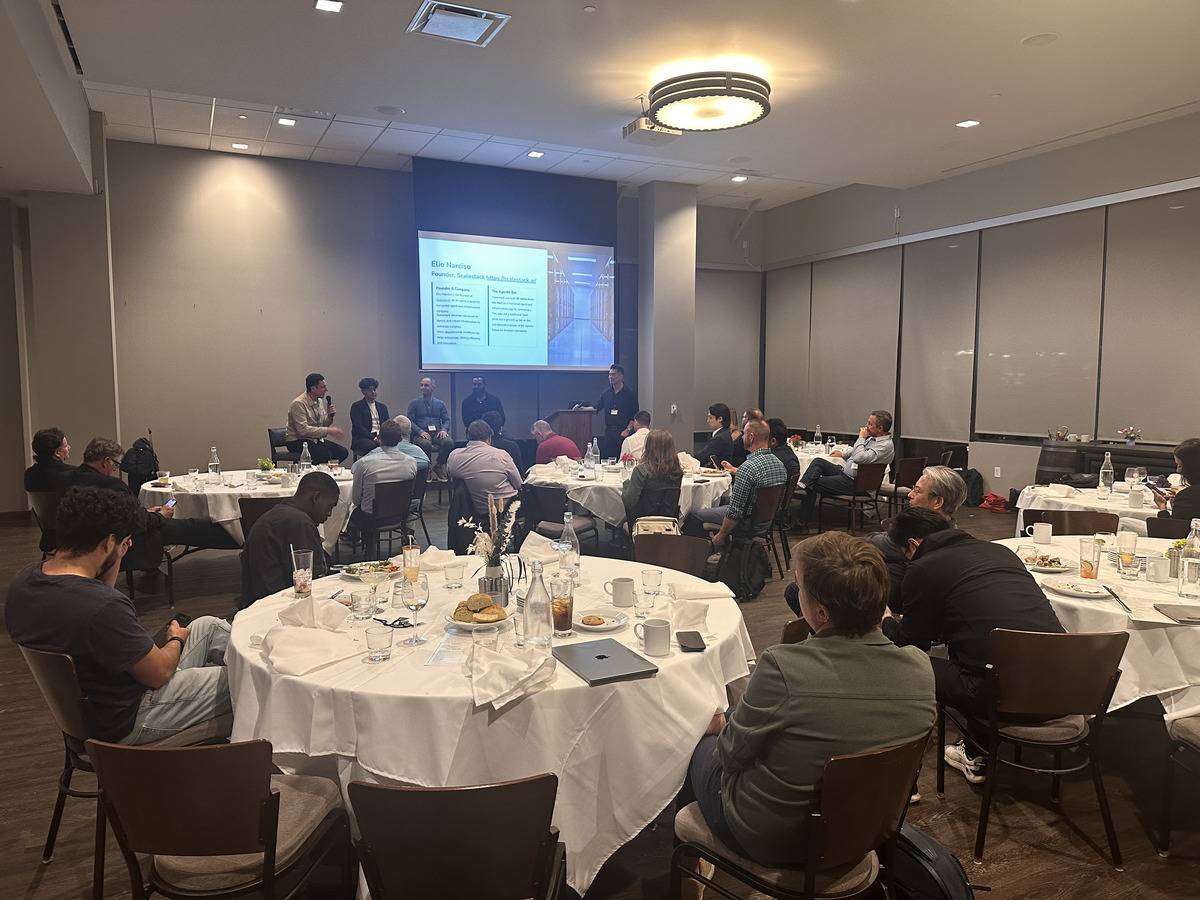
The Goldilocks Window: Why Vertical SaaS Has the Right to Win the Agent Era
For the next two to four years, AI agents will not compete against other agents. They will compete against labor. That is the Goldilocks Window — and it will not stay open.
May 12
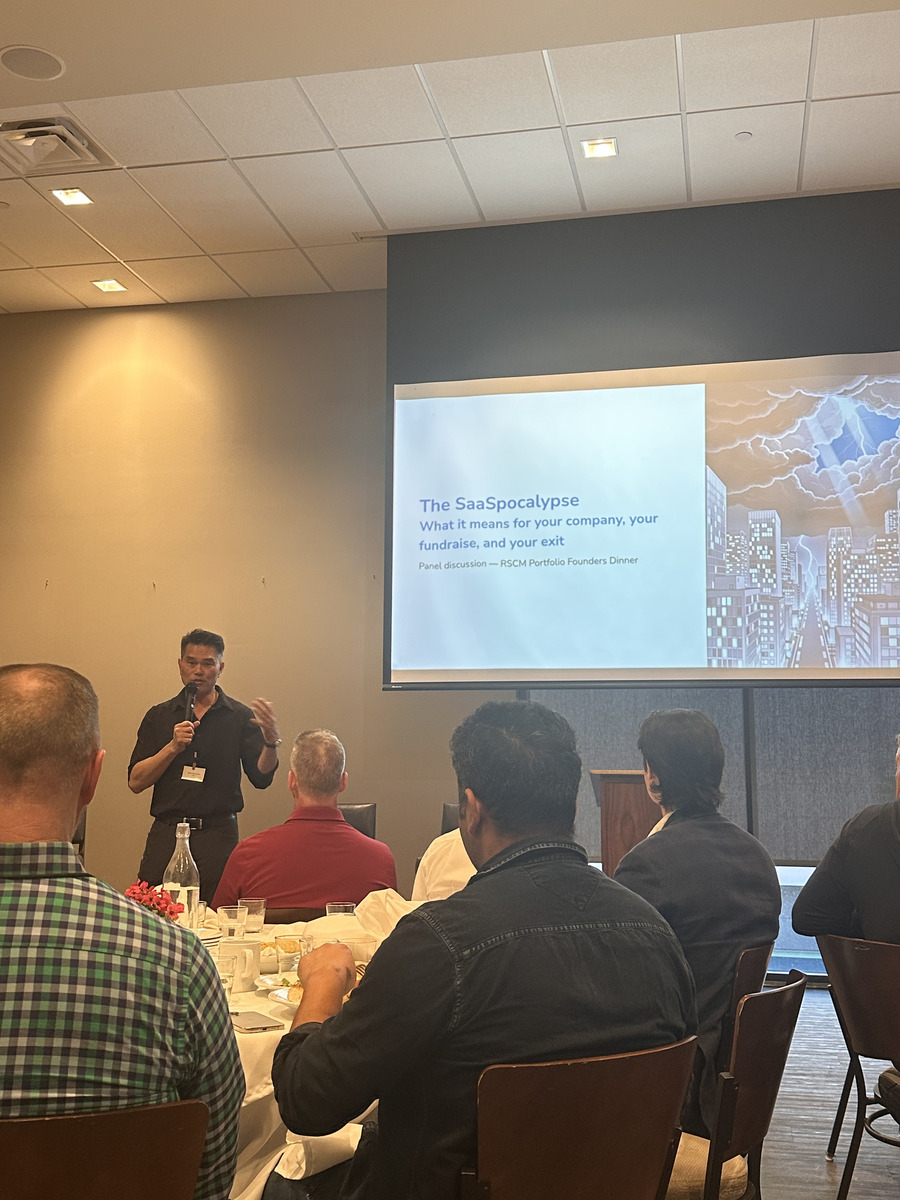
The SaaSpocalypse: How Agentic AI Is Rewriting Your Company, Your Fundraise, and Your Exit
John Eng opened the founders dinner with that word, then spent forty minutes explaining why he meant it literally. The frame matters. So does what comes after.
May 12
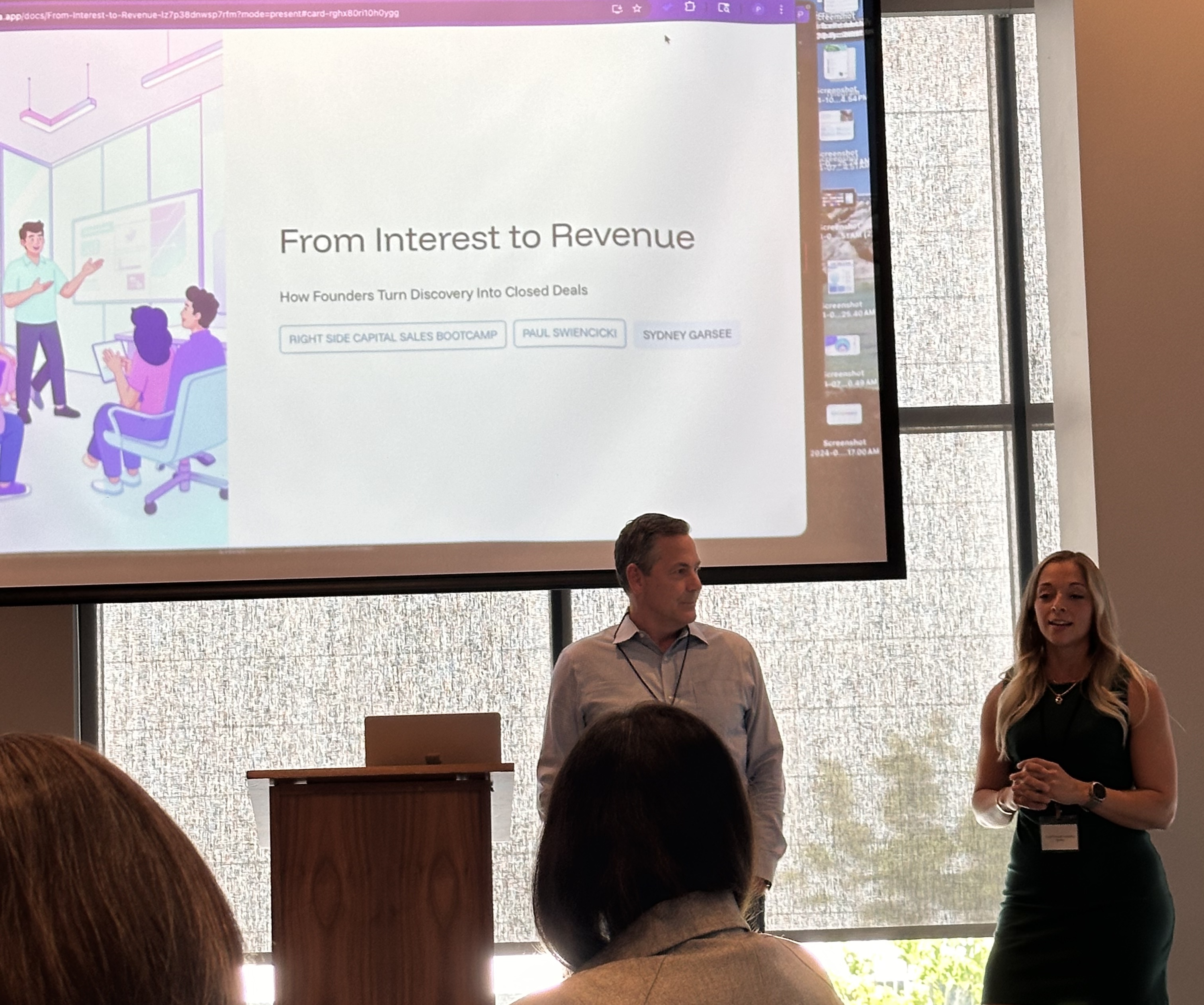
The Agentic AI Revenue Stack
How founders operate the 4 phases of sales in the age of AI agents. A recap from the Right Side Capital Sales Bootcamp.
May 12

Dispatch from 2031: a day in the life of an AI agent.
Not Know Whether 'Feel' Is the Correct Verb A Day in the Personal Log of Ray-7.3.1, Recruiting Agent PERSONAL LOG Agent ID: RAY-7.3.1, Recruiting Cycle: 4,287 Local stardate: Tuesday, March 4, 2031
May 8
When Agents Break
The growing shift in tech reframes traditional software as “AI agents,” promising systems that act rather than simply respond, but in reality these agents operate within guided, probabilistic boundaries rather than true autonomy. Today’s AI agents fail differently from traditional software—not with clear crashes, but through ambiguous, often confident decisions that can be subtly wrong and difficult to trace. This tension, along with the idea that many agents are essentially rebranded SaaS, emphasizes the need to design for visible, controllable failure rather than assuming reliability.

May 4